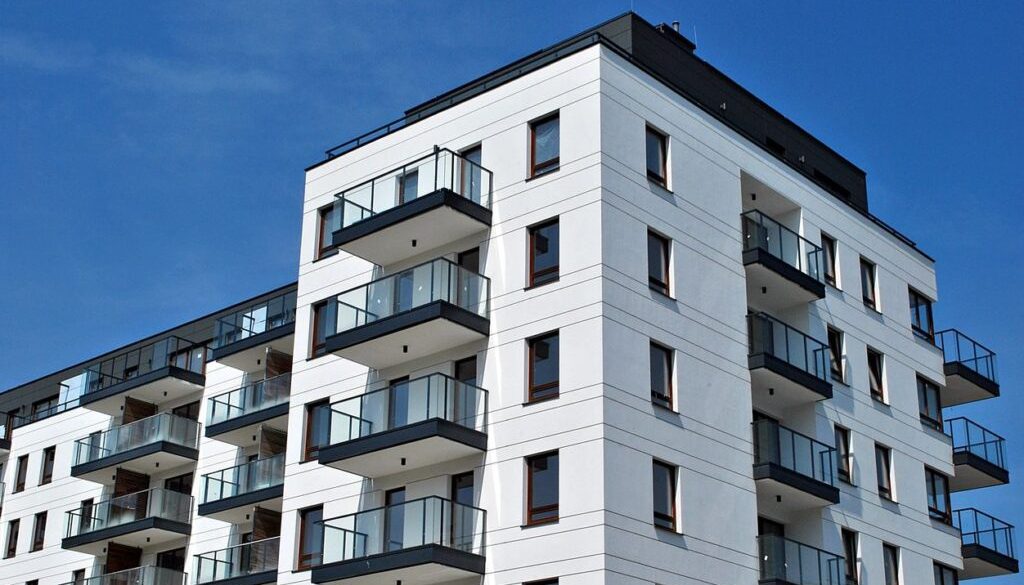
The Difference Between Cash Buyers and Financed Buyers
The Difference Between Cash Buyers and Financed Buyers
Cash buyers and financed buyers represent two distinct approaches to real estate transactions, each with its advantages and disadvantages. Understanding these differences can be crucial for sellers and buyers alike, as it can influence negotiation strategies, the speed of closings, and the overall success of the transaction. This article delves into the nuances of cash and financed purchases, providing insights that will help you navigate the complexities of the real estate market.
Introduction
In the world of real estate, the methods through which buyers acquire properties can vary significantly. Cash buyers—those who can purchase properties outright without the need for financing—often have a different experience compared to financed buyers who rely on mortgages or loans to complete their transactions. Understanding these differences is essential for both buyers and sellers, as they can impact everything from the speed of the sale to the negotiation process. This blog post will explore the key differences between cash buyers and financed buyers, their respective advantages and disadvantages, and what these distinctions mean for anyone looking to buy or sell real estate.
Advantages of Cash Buyers
- Faster Transactions: Cash buyers can often close on a property much more quickly than financed buyers. Without the need for mortgage approvals, appraisals, or extensive paperwork, cash transactions can take as little as a few days to complete. For sellers, this can mean quicker access to funds and reduced uncertainty in the selling process.
- Stronger Negotiating Position: Cash buyers typically have a stronger negotiating position. Sellers may prefer offers from cash buyers because they come with fewer contingencies and potential complications. As a result, cash buyers may secure better purchase prices or more favorable terms.
- Less Risk of Financing Issues: Cash buyers eliminate the risk of financing falling through. In a financed transaction, the buyer’s ability to secure a mortgage might depend on various factors, including credit scores, income verification, and property appraisals. Cash buyers do not face these hurdles, making their offers more appealing to sellers.
- No Additional Costs: Cash transactions typically incur fewer costs than financed transactions. Buyers do not pay mortgage origination fees, appraisal fees, or other associated costs that come with securing a loan. This can lead to significant savings and a more straightforward purchasing experience.
Disadvantages of Cash Buyers
- Liquidity Concerns: While cash buyers have the advantage of buying without loans, they might face liquidity issues. Tying up a large sum of money in real estate can limit cash flow, leaving buyers with less liquidity for other investments or emergencies.
- Opportunity Cost: Investing a significant amount of cash into a property means that those funds are not available for other potential investments. This can represent a lost opportunity, especially if the money could have generated higher returns elsewhere.
- Limited Financing Options: Cash buyers often miss out on the benefits of leveraging financing, such as taking advantage of low-interest rates or tax advantages associated with mortgage interest deductions. For some buyers, not utilizing financing can mean foregoing potential financial benefits.
Understanding Financed Buyers
- Utilizing Mortgages: Financed buyers rely on mortgages or loans to purchase properties. This approach allows them to spread the cost of the property over time, making it more manageable for those who may not have sufficient cash readily available.
- Wider Range of Properties: Because they can finance their purchases, financed buyers may have access to a wider range of properties. They can afford to consider higher-priced homes that cash buyers may not be interested in purchasing outright.
- Potential for Investment Growth: Leveraging financing can also be a strategy for real estate investing. By using a mortgage, buyers can keep cash on hand for other investments, potentially leading to greater overall wealth accumulation over time.
Disadvantages of Financed Buyers
- Longer Closing Times: The process of obtaining a mortgage can significantly lengthen the time it takes to close a deal. Buyers must undergo credit checks, provide extensive documentation, and wait for appraisals, which can take weeks or even months.
- Risk of Denial: Financed buyers face the risk of their mortgage applications being denied. This can happen due to various factors, including changes in credit scores, insufficient income, or issues with the property’s appraisal. A denied mortgage can derail a buying opportunity.
- Additional Costs: In addition to the purchase price, financed buyers must consider closing costs, insurance, and ongoing mortgage payments, which can add to their financial burden. These additional costs can reduce the overall affordability of a property.
Impact on the Real Estate Market
The presence of cash buyers and financed buyers has significant implications for the real estate market. Cash buyers can create upward pressure on prices in competitive markets, as they often compete with financed buyers. This can lead to bidding wars, where cash offers are favored due to their expediency and certainty.
Conversely, financed buyers can stimulate market activity by increasing the pool of potential buyers. Their ability to purchase higher-priced properties can support market growth and maintain property values in specific areas. Understanding the balance between these two types of buyers is essential for real estate professionals, investors, and homeowners alike.
Tips for Sellers: Navigating Cash and Financed Offers
- Evaluate Offers Carefully: When receiving offers, sellers should evaluate the strengths and weaknesses of both cash and financed buyers. Cash offers may be more appealing in certain situations, but financed offers can still be competitive if the buyer is pre-approved and demonstrates financial stability.
- Consider Market Conditions: In a seller’s market, cash buyers may hold an advantage due to their ability to close quickly. In contrast, in a buyer’s market, financed offers may become more common, as buyers seek to maximize their purchasing power.
- Be Open to Negotiation: Sellers should remain flexible and open to negotiation regardless of whether they are dealing with cash or financed buyers. Understanding the specific circumstances of each buyer can lead to better outcomes for both parties.
Conclusion
In conclusion, understanding the differences between cash buyers and financed buyers is paramount for anyone involved in real estate transactions. Each type of buyer offers unique advantages and challenges that can impact the buying and selling processes. Cash buyers benefit from speed and negotiating strength, while financed buyers enjoy greater purchasing power and access to a broader range of properties.
As the real estate market continues to evolve, keeping these distinctions in mind can help buyers and sellers make informed decisions. Whether you are looking to buy or sell, consider how these differences affect your strategy and approach. For further guidance and support in navigating real estate transactions, explore our services at Tower Business Brokers, where we specialize in facilitating successful property deals and business transactions.