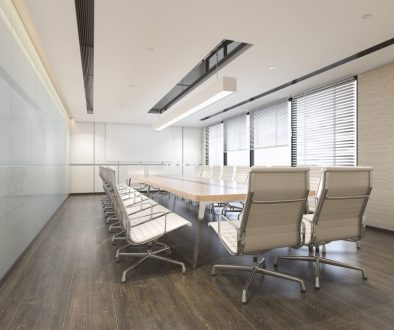
Why Leasing Flex Spaces Is Gaining Popularity in 2025
Leasing flex spaces is becoming increasingly popular in 2025, providing businesses with the flexibility they need to thrive in a dynamic market.
Why Leasing Flex Spaces Is Gaining Popularity in 2025
In 2025, the trend of leasing flex spaces is on the rise, reflecting a significant shift in how businesses operate. As companies adapt to changing market demands, economic uncertainties, and evolving work cultures, flexible leasing options have emerged as a preferred choice. This blog post will explore the reasons behind the growing popularity of flex spaces, their benefits, and how businesses can effectively leverage these spaces to enhance their operations.
Introduction
The concept of flex spaces—adaptable spaces that can serve multiple purposes—has gained traction in recent years. With the onset of the pandemic, many companies were forced to rethink their real estate strategies. Now, in 2025, businesses are not only recovering but also actively seeking innovative workspace solutions that cater to their evolving needs. The popularity of flex spaces is driven by several factors, including cost efficiency, the need for agility, and the changing expectations of the workforce. In this post, we will delve into these aspects, providing a comprehensive understanding of why more businesses are turning to flex spaces.
Cost Efficiency and Financial Flexibility
- One of the primary reasons businesses are gravitating toward flex spaces is the cost efficiency they offer. Traditional leasing agreements often require long-term commitments, making it difficult for businesses to adjust to changing market conditions. Flex spaces, in contrast, typically come with short-term leases or month-to-month options, allowing companies to scale their operations up or down based on their current needs.
- According to a 2024 report by CBRE, companies that utilize flex spaces save an average of 20-30% on real estate costs compared to traditional office leases. This substantial savings can be redirected into other critical areas of the business, such as technology upgrades, marketing initiatives, or employee development programs.
- For example, a startup that initially leases a small flex space can expand quickly without the burden of a long-term lease if its growth trajectory demands it. This financial flexibility not only reduces risk but also provides a cushion during uncertain economic times.
Adapting to Changing Workforce Expectations
- The workforce landscape has undergone a transformation, and with it, the expectations of employees have evolved. In 2025, remote work is still prevalent, with many employees preferring a hybrid work model that allows for both remote and in-office work. Flex spaces cater to this demand by providing collaborative environments that can be utilized sporadically as needed.
- Research from the Future of Work Institute indicates that 65% of employees prefer working in environments that offer collaboration spaces, quiet zones, and access to amenities such as cafes and gyms. Flex spaces can easily accommodate these preferences, creating an inviting atmosphere that attracts top talent.
- Moreover, businesses can enhance their company culture and improve employee satisfaction by utilizing flex spaces for team-building activities, workshops, and networking events. This adaptability not only supports employees in their work-life balance but also fosters a sense of community within the organization.
Scalability and Agility
- The ability to scale operations quickly is crucial for businesses in today’s fast-paced environment. Flex spaces offer unparalleled scalability, enabling companies to adjust their physical footprint in response to business fluctuations. This is particularly advantageous for seasonal businesses or those entering new markets.
- For instance, a retail company launching a new product line can lease a flex space in a high-traffic area for a short duration, allowing them to test the market without committing to a long-term lease. This strategic approach reduces overhead costs and minimizes risks associated with entering new markets.
- Additionally, industries like technology and e-commerce can benefit from flex spaces by quickly adjusting their workspaces to accommodate new projects or teams. This agility allows businesses to respond to market demands swiftly, ensuring they remain competitive.
Networking and Collaboration Opportunities
- Flex spaces often foster a collaborative environment that encourages networking and innovation. These shared spaces are typically home to diverse businesses, creating opportunities for collaboration and partnership that might not occur in traditional office settings.
- In 2025, many flex spaces offer networking events, workshops, and community-building activities that draw in entrepreneurs, freelancers, and established companies alike. This synergy can lead to new ideas, partnerships, and even business opportunities that can significantly benefit all parties involved.
- For example, a tech startup working in a flex space might connect with a marketing agency also operating there, resulting in a collaboration that enhances the startup’s visibility in the market. Such connections are invaluable and could lead to significant business growth.
Enhanced Amenities and Services
- Flex spaces are not just about the physical space; they often come equipped with a range of amenities and services that enhance the overall experience for businesses and their employees. Common amenities include high-speed internet, conference rooms, lounge areas, fitness centers, and even coffee shops.
- These added conveniences mean that businesses can focus on their core operations without worrying about the logistics of managing a traditional office space. In 2025, companies are prioritizing environments that promote productivity and well-being, making the amenity-rich offerings of flex spaces especially appealing.
- Moreover, many flex spaces provide administrative support, such as reception services or event planning, allowing businesses to operate more efficiently and effectively. This can be a game-changer for small businesses or startups that may not have the resources to hire full-time staff for these functions.
The Rise of Hybrid Work Models
- As more companies adopt hybrid work models, the need for flexible leasing solutions has never been more critical. Flex spaces are ideal for organizations that want to combine remote work with occasional in-office collaboration.
- By providing employees with the option to utilize flex spaces when needed, businesses can maintain a strong team dynamic without incurring the costs associated with traditional office leases. This model supports the shift towards a more dynamic and satisfying work experience for employees.
- A study by Gartner found that organizations that embraced hybrid work saw a 20% increase in employee productivity. Flex spaces play a significant role in this increase by providing environments conducive to focused work and collaborative efforts.
Accessibility and Location Advantages
- The strategic location of flex spaces can offer significant advantages for businesses. Many flex spaces are situated in urban areas, making them easily accessible for employees and clients alike.
- This accessibility not only enhances employee satisfaction but also improves the company’s image by positioning it in desirable neighborhoods. In 2025, a prime location can be a decisive factor in attracting top talent and clients, making flex spaces an attractive option.
- Moreover, the flexibility of leasing terms means that businesses can choose locations that align with their growth strategy without the long-term commitment of a traditional lease.
Environmental Considerations
- As sustainability becomes a key priority for businesses in 2025, flex spaces are often designed with eco-friendliness in mind. Many flex space providers are incorporating green building practices, energy-efficient systems, and sustainable materials into their designs.
- This commitment to sustainability not only helps businesses reduce their carbon footprint but also appeals to environmentally conscious consumers and employees.
- Companies leasing flex spaces can take pride in their commitment to sustainability, which can enhance their brand reputation and attract clients who prioritize environmental responsibility.
Best Practices for Leasing Flex Spaces
- To maximize the benefits of leasing flex spaces, businesses should consider several best practices. First, it’s essential to assess the specific needs of the organization. Understanding how the space will be used can help in selecting the right type of flex space.
- Second, businesses should evaluate the lease terms carefully. Flex spaces often come with different rental structures, so it’s important to find an agreement that aligns with the company’s financial strategy.
- Third, maintaining open communication with the landlord or flex space provider can enhance the leasing experience. Regular check-ins can help address any concerns or needs that may arise during the lease period, ensuring a smooth and productive relationship.
- Lastly, businesses should take full advantage of the amenities provided. By utilizing conference rooms, networking opportunities, and community events, companies can enhance their operational efficiency and foster collaboration.
Conclusion
Leasing flex spaces is becoming increasingly popular in 2025 due to their cost efficiency, adaptability, and the changing expectations of the modern workforce. As businesses continue to navigate a dynamic market landscape, flex spaces provide an ideal solution for organizations seeking to optimize their operations. The benefits of flexibility, scalability, and enhanced amenities make these spaces an attractive option for businesses of all sizes. As you consider your real estate options, embracing the trend of flex spaces may be your key to sustained growth and success. Explore our listings today and discover how flex spaces can transform your business operations.