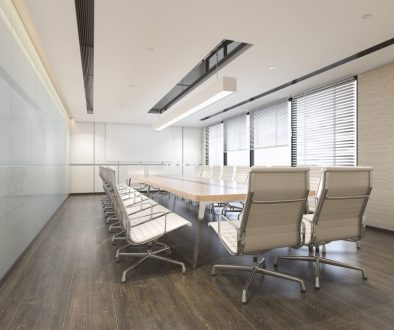
How to Attract Tenants with Build-to-Suit Options
How to Attract Tenants with Build-to-Suit Options
Build-to-suit options in real estate development provide an enticing opportunity for both landlords and tenants. By offering tailored spaces that meet the unique needs of a business, property owners can significantly enhance tenant satisfaction and retention. This blog post will delve into the intricacies of build-to-suit arrangements, exploring how they can be effectively utilized to attract and retain tenants. We’ll discuss the benefits, the process of creating these spaces, and best practices to ensure a successful partnership between landlords and tenants.
Introduction
The commercial real estate landscape is evolving, with tenants increasingly seeking spaces that align with their specific operational needs. Build-to-suit options have emerged as a solution that benefits both landlords and tenants. This customizable approach allows businesses to design and construct spaces that reflect their brand identity and operational requirements. In this post, we will explore the various facets of build-to-suit options, including the advantages for both parties, the steps involved in the process, and strategies to market such properties effectively. Whether you are a property owner looking to attract high-quality tenants or a business seeking the perfect space, understanding build-to-suit options is crucial.
Understanding Build-to-Suit Options
- Build-to-suit arrangements involve the construction of a commercial property tailored specifically to the needs of a tenant. This can include custom layouts, specialized facilities, and unique design elements that reflect the tenant’s brand.
- Statistics indicate that businesses that operate in spaces designed for their specific needs are more productive. According to a survey by the International Facility Management Association (IFMA), 69% of employees report higher job satisfaction when working in tailored environments.
- For example, a tech startup may require an open floor plan with collaborative spaces, while a medical practice might need rooms designed for patient care. By offering a build-to-suit option, landlords can attract a diverse range of tenants from various sectors.
The Benefits of Build-to-Suit for Tenants
- One of the primary advantages of build-to-suit options for tenants is the ability to influence the design and layout of their workspace. This ensures that the final product aligns with their specific operational needs.
- Tenants can also benefit from reduced relocation costs, as they can design their new space while still operating in their existing one. This smooth transition can lead to minimal disruption to their business operations.
- Furthermore, having a custom-built space can enhance a company’s brand image, as the design can reflect corporate values and culture. For instance, a company focused on sustainability can incorporate green building materials and energy-efficient technologies into their design.
The Build-to-Suit Process
- The build-to-suit process typically begins with an initial consultation between the landlord and tenant. During this phase, both parties discuss the tenant’s requirements and preferences.
- Following the consultation, a feasibility study is conducted to assess land options, zoning regulations, and construction costs. This ensures that the project is viable from a business standpoint.
- Once the feasibility study is complete, the tenant and landlord can proceed to the design phase, where architects and designers create blueprints that accommodate the tenant’s needs.
- After finalizing the designs, construction begins, with regular check-ins between the landlord and tenant to ensure the project is progressing as planned.
Marketing Build-to-Suit Properties
- Marketing build-to-suit properties requires a strategic approach to highlight the unique benefits of customized spaces. Property owners should leverage digital platforms, social media, and online listings to reach potential tenants.
- Creating virtual tours or 3D renderings of the proposed space can be an effective marketing tool. These visual aids allow prospective tenants to envision how their business would fit into the space.
- Additionally, hosting open houses or informational sessions can help attract tenants. Providing clear examples of past build-to-suit successes can instill confidence in potential tenants regarding the landlord’s capabilities.
Best Practices for Successful Build-to-Suit Partnerships
- Establish clear communication from the outset. Regular updates and open dialogue help ensure that both the landlord and tenant remain aligned throughout the project.
- Set realistic timelines and budgets. Understanding the scope of the project and establishing benchmarks can prevent misunderstandings and delays.
- Incorporate flexibility into the design process. As tenant needs may evolve, being adaptable can help accommodate changes without significant disruptions.
Financial Considerations for Landlords
- While build-to-suit arrangements can involve substantial upfront costs, they often lead to long-term financial benefits. Custom spaces can command higher rental rates, providing landlords with a steady income stream.
- Additionally, build-to-suit projects can reduce vacancy rates, as they are often tailored to meet specific tenant needs, making them more attractive in a competitive market.
- Landlords should also explore financing options, such as construction loans or partnerships with developers, to mitigate initial costs and risks associated with build-to-suit projects.
Challenges and Solutions
- One of the main challenges in build-to-suit projects is balancing the tenant’s requirements with budget constraints. Landlords should be prepared to negotiate and offer compromises that meet both parties’ needs.
- Delays in construction can also pose a problem. Implementing a robust project management system and working with experienced contractors can help keep the project on track.
- Landlords should also be aware of local regulations and zoning laws that could impact the design and construction process. Engaging legal counsel or real estate professionals can provide valuable insights and assistance.
The Future of Build-to-Suit Options
- As businesses continue to evolve, the demand for customized spaces is likely to grow. Factors such as remote work, sustainability, and technological advancements will influence tenant needs and preferences.
- Landlords who adapt to these changing demands by offering innovative build-to-suit solutions will be better positioned to attract high-quality tenants.
- Additionally, trends in sustainability and eco-friendly construction will play a significant role in future build-to-suit projects. Incorporating green design elements can not only attract tenants but also contribute to a healthier environment.
Conclusion
In conclusion, build-to-suit options present a viable strategy for attracting and retaining tenants in the evolving commercial real estate market. By offering customized spaces that cater to specific business needs, landlords can enhance tenant satisfaction and foster long-term relationships. Embracing the build-to-suit model requires a commitment to collaboration and flexibility, but the payoff can be significant in terms of financial stability and tenant loyalty. As you explore options for your commercial real estate endeavors, consider the unique benefits that build-to-suit arrangements can offer. Start your journey towards successful tenant partnerships today, and unlock the full potential of your properties.